
Stop Making These Common Character Development Mistakes!
Mary Sue and Gary Stu checklist inside

Flawless characters are totally relatable. Change my mind!
I mean, I, Jamie Genius, have no trouble relating with someone who’s perfect and always right.
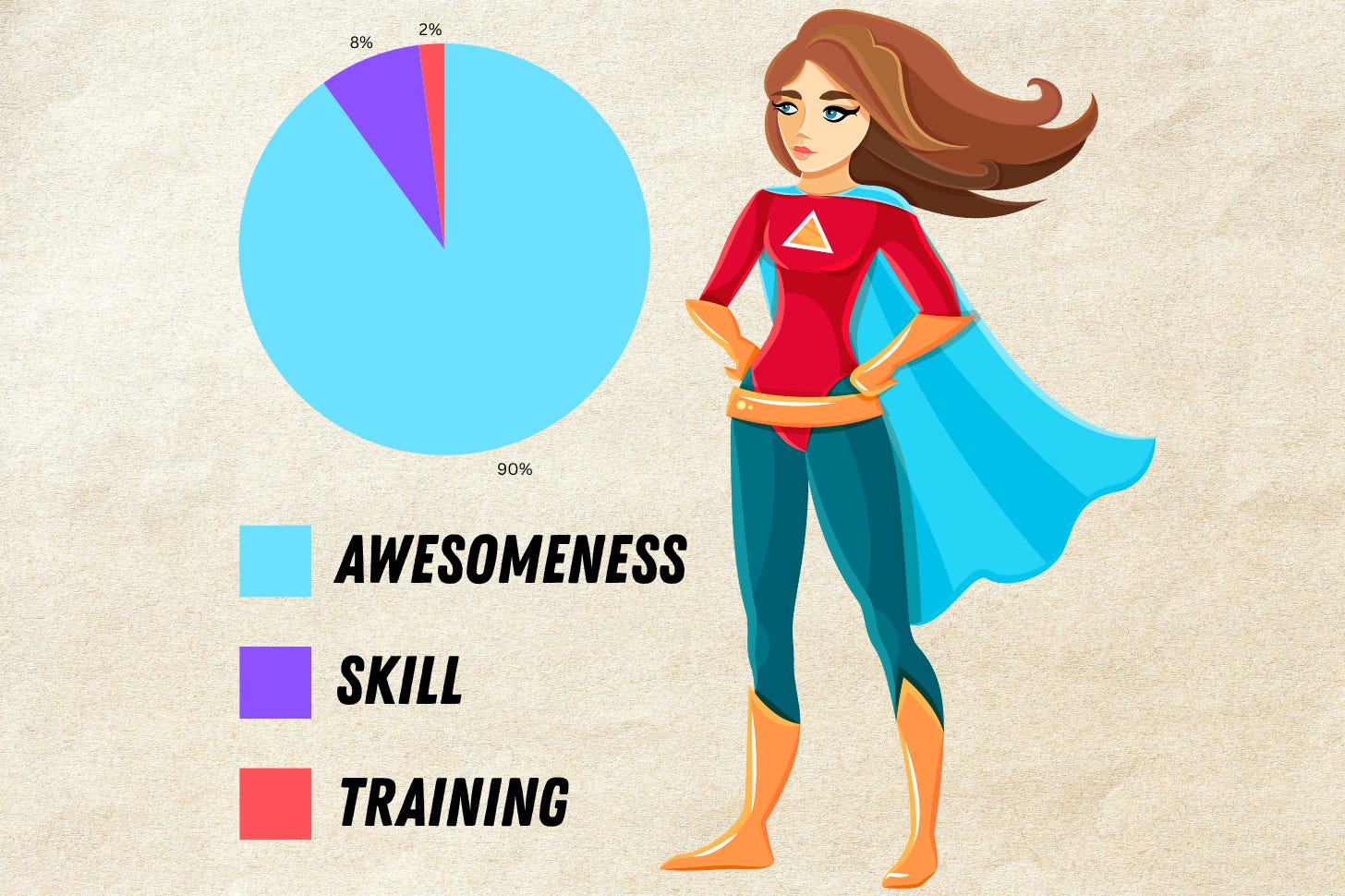
Your protagonists must be impeccable role models. Duh! How else are they supposed to inspire your readers?
Flawless Protagonists: Mary Sue or Gary Stu Checklist
Your protagonist must be flawless, morally superior, and, of course, smoking hot. This isn’t just a character; it’s your idealized alter ego. I’m giving you my blessing: indulge your fantasies. Make your hero young, brilliant, beautiful, magnetic, and inexplicably competent in all areas despite a total lack of training. Don’t bother showing how those skills were acquired; your hero is just naturally amazing.
Everything should come easily. Education and hard work? That’s for losers. Awesomeness is simply a winning state of mind.
To help you out, here’s a checklist to ensure your protagonist is the perfect Mary Sue or Gary Stu.
Personality & Skills
Masters complex skills instantly
Excels at everything without effort
Wise beyond their years
Appearance
Gorgeous!
Stunningly attractive to everyone (men, women, kids, animals, androids, frozen yogurt…)
Always camera-ready, even after a brutal battle or emotional trauma
Relationships
Instantly likable and admired by all
Never makes ethically questionable choices
Even their enemies secretly admire them
Role in the Story
So powerful, even the plot bends to their will
They save the day. Every. Single. Time.
Other characters exist only to support or admire them
So, where does your protagonist land on this scale of wonder?
0–6 boxes checked: Nah, not good enough.
7–11 boxes: That’s a start, but you know you can do better!
12 boxes: Congratulations! You’ve written a full-blown Mary Sue or Gary Stu. Bestseller guaranteed!
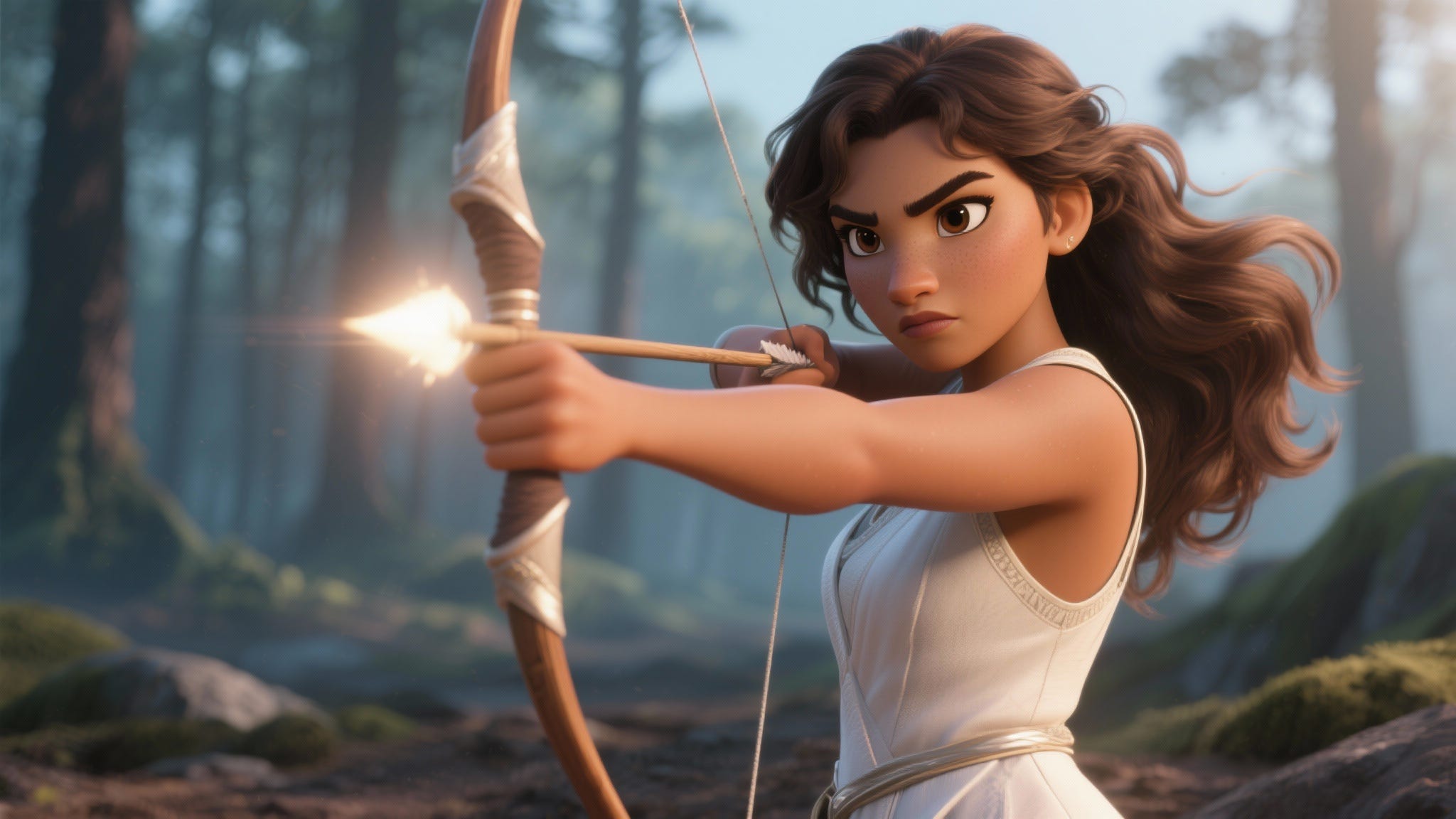
Now, you might wonder, “How do I give my protagonist a compelling character arc?” Since your heroes are perfect from the start, how can they evolve?
Character arc? Please. That concept was invented by storytelling theorists to justify their useless jobs. Just give your protagonist powers—preferably superpowers—and ensure they’re better than everyone, always.
Okay, I see you shaking your head and thinking, If my protagonist never fails, isn’t my story going to be predictable? Where’s the tension? Where’s that exciting uncertainty that pushes readers to turn pages?
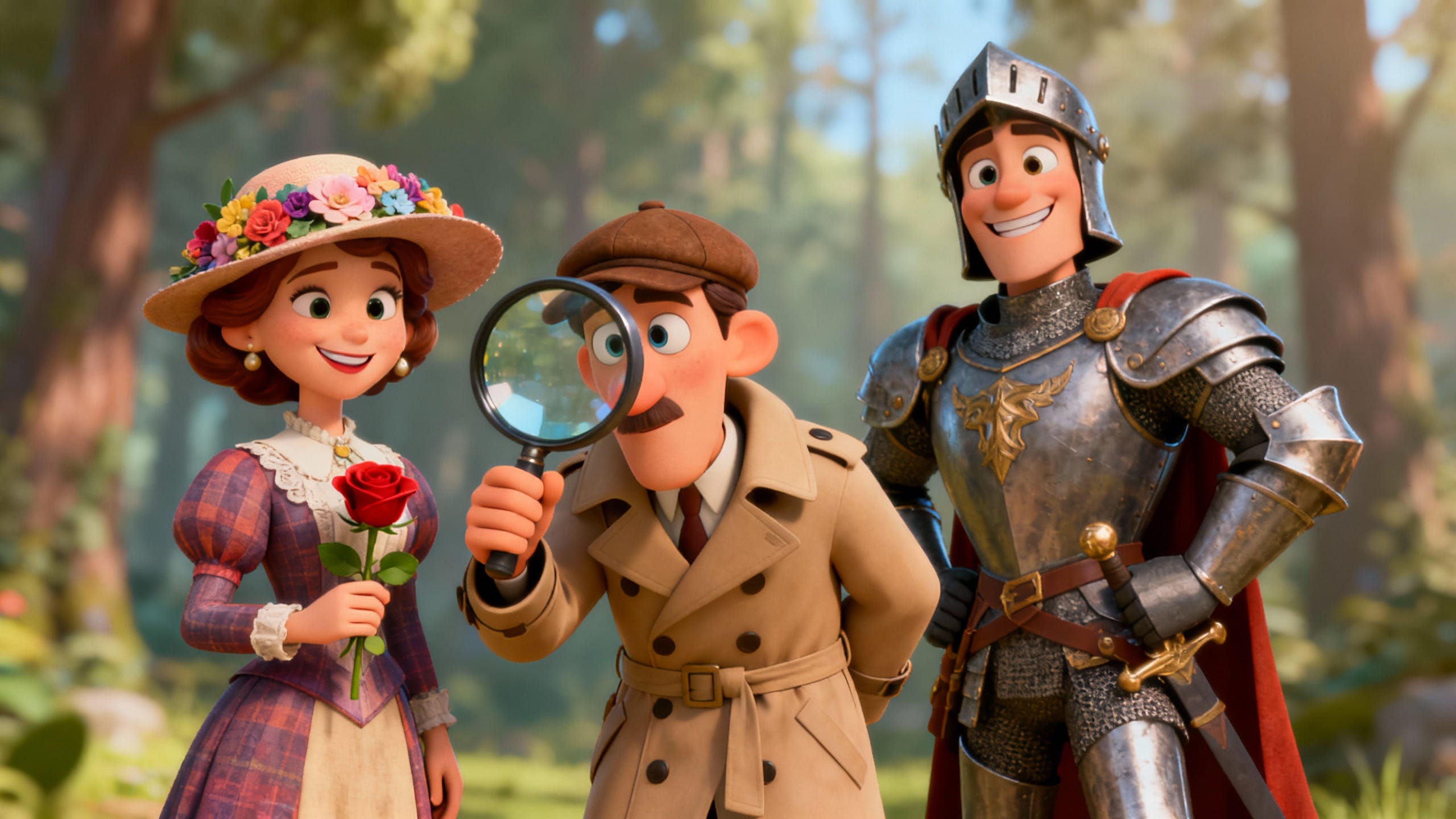
Ah, but that’s where the side characters come in. You know, the quirky best friend, the ever-wise, mysterious mentor who speaks in riddles, the rival who’s somehow both infuriating and charming. These delightful misfits exist to stir the pot, challenge your hero’s perfection, and occasionally steal the spotlight. Well, maybe not “steal” but borrow.
Are Your Side Characters Serving the Story or Stuck in Stock Roles?
You may be tempted to make your side characters complex, but that’s a rookie error. Why?
Elementary, my dear scribblers. First, it’s unrealistic. Real people aren’t complex; they just want money and sex. Second, multifaceted characters confuse readers. Stick to stock types: the Damsel in Distress, the Mentor, the Sidekick, the Villain. Ensure they never act out of character. If your Villain suddenly does something selfless or your Sidekick challenges the hero, readers will hate it. Consistency and predictability are key.
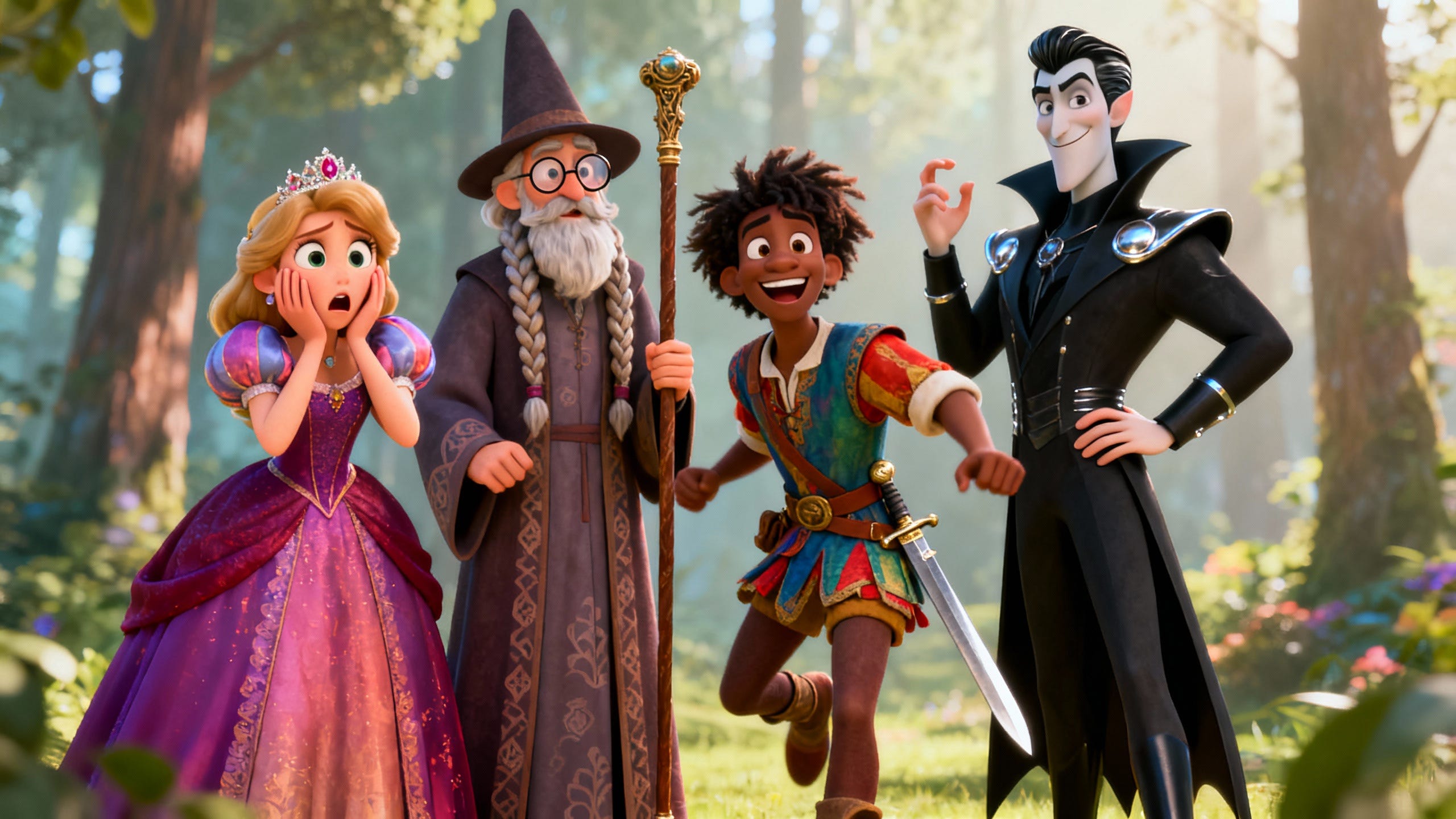
This is also a golden opportunity to get revenge on people who wronged you. Just put them in your book, paint them as irredeemable bullies, and kill them off in a horrible, degrading way. The characters, I mean, not the real people. It’s a marvelously healthy way to process unresolved trauma!
Forget dwelling on motives or showing different facets. Some say exploring a story’s theme requires interactions between characters with conflicting worldviews. Nonsense! That just distracts from your hero’s awesomeness.
Sure, you could write characters who grow, struggle, and occasionally fail. But that’s far too risky. Readers might not like that. Nah, play it safe and indulge in pure wish fulfillment. You’ll land a publishing deal and a six-figure advance in no time.
I, myself, am still waiting to hear back from any of the agents I queried, but it’s only a matter of days. You’ll see—the formula never fails!
Yours truly, Jamie Genius (the man who’s never wrong).
Character Development Checklist
Okay, now that Jamie has said his piece, here’s my checklist to help you ensure your characters are not only well-written but also meaningfully integrated into the story.
Role in the story
Does the character have a clear role (protagonist, antagonist, foil, catalyst, etc.)?
What does the character want?
What obstacles prevent them from reaching that goal?
What actions will they take to achieve it? Will those actions succeed?
What type of arc will they experience (flat, positive, negative, or complex with both positive and negative phases)?
Does the arc align with the story’s theme and address issues relevant to the audience?
For side characters: How do their actions affect the protagonist, and how does this influence the protagonist’s arc?
Identity and personality
Do they have strengths, flaws, and emotional vulnerabilities?
What is their worldview, especially regarding the central conflict or theme?
What do they fear most? Do they hold a misbelief about themselves or their world?
Does their backstory illuminate their motivations, worldview, and behavior?
Do they face both external and internal conflicts?
Is their voice distinct and consistent in tone and style?
Do their body language and mannerisms reflect their personality?
Other considerations
Are their relationships with other characters meaningful and dynamic?
Do they appear often enough to matter, but not so much that they overshadow the protagonist?
If they narrate, is their perspective unique? Is their narration reliable or unreliable?
Do they carry symbolic weight, representing something larger (hope, corruption, loyalty, etc.)?
Pro tip: Ask yourself, “If I remove this character, does the story lose something essential?” If the answer is “no,” reconsider their role or cut them entirely. Why have two characters when one can do the job?
What’s your biggest challenge when developing characters? I’d love to hear your thoughts. Leave a comment below and share your experiences with character creation!